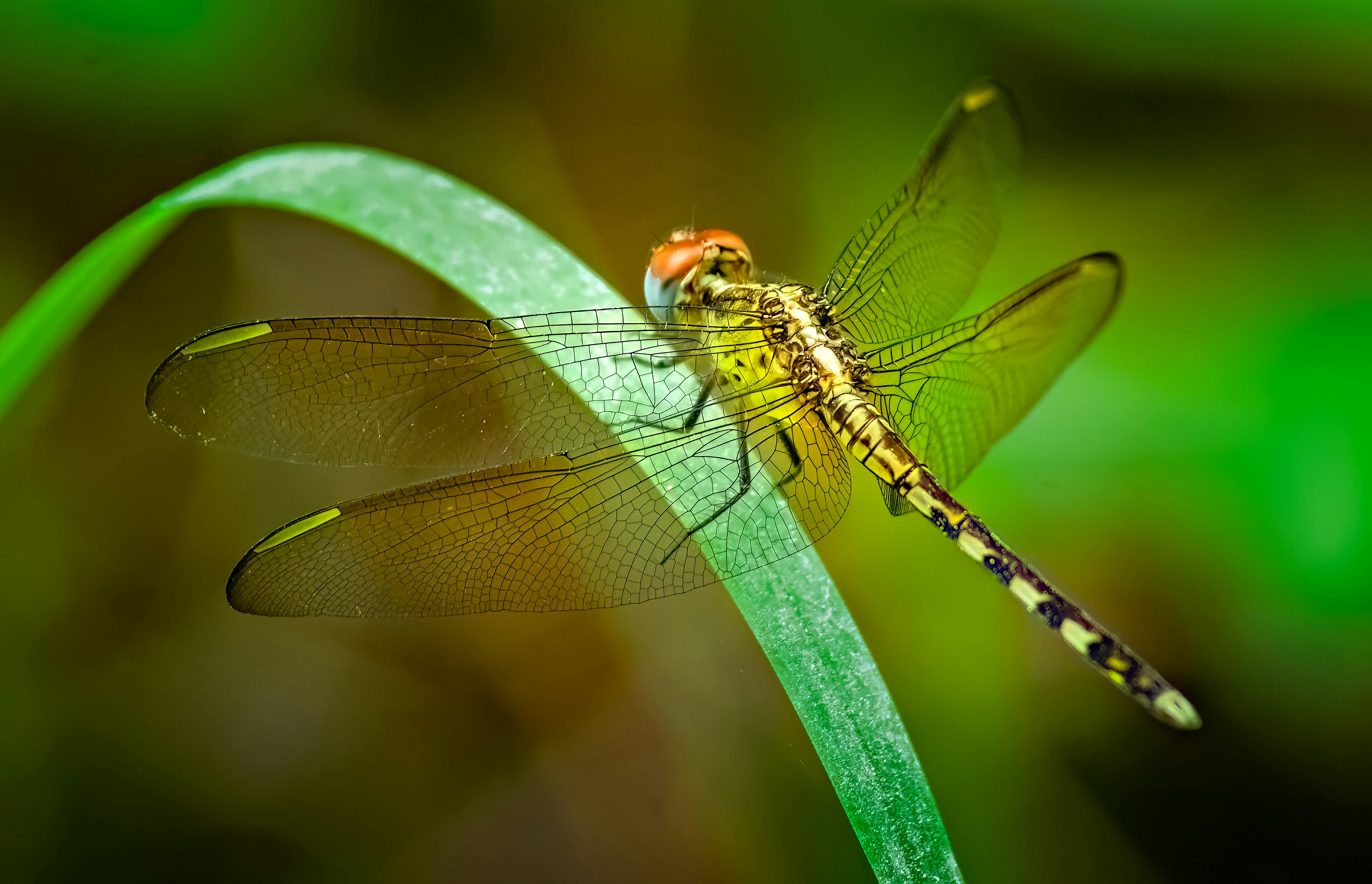
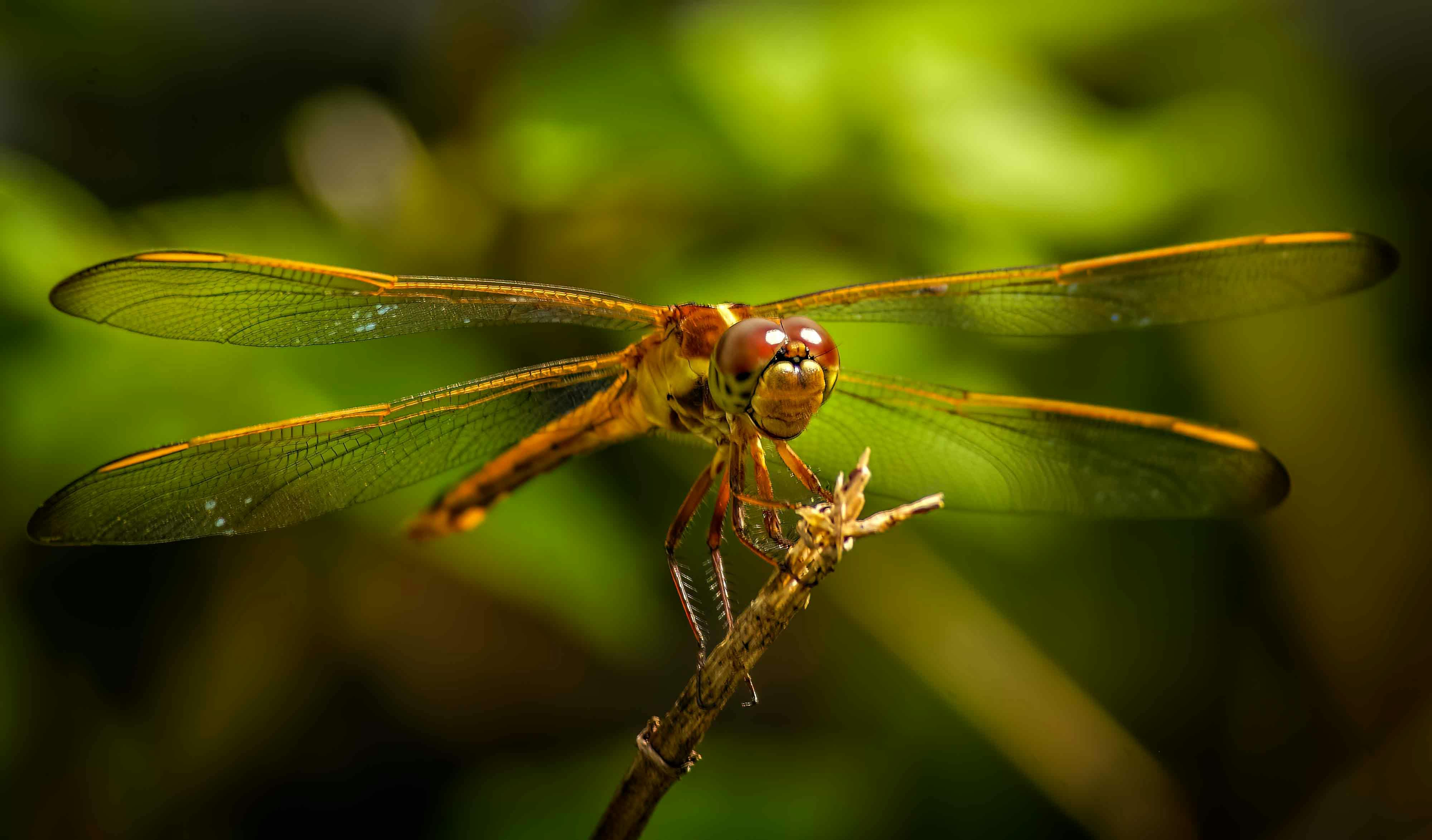
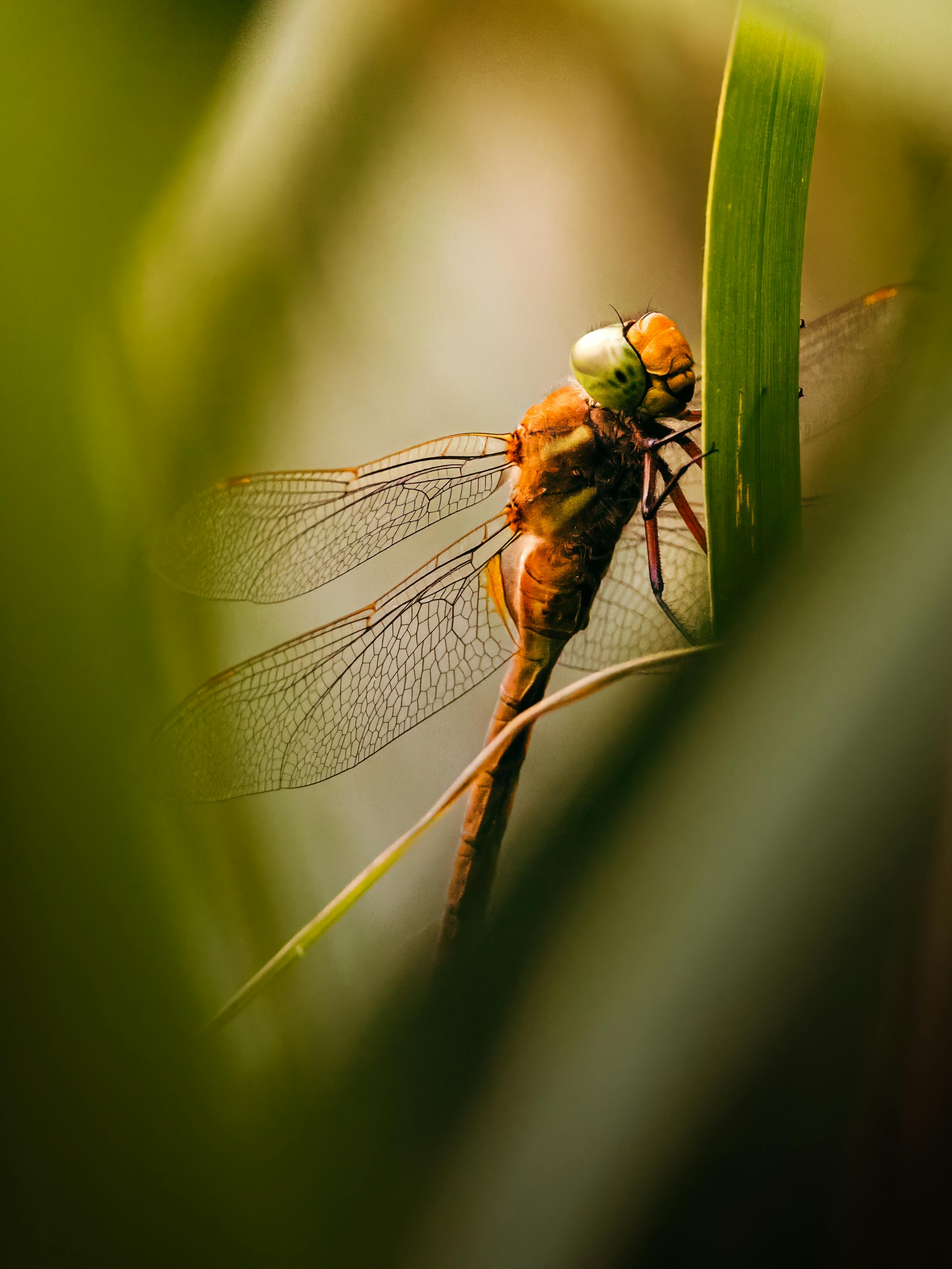
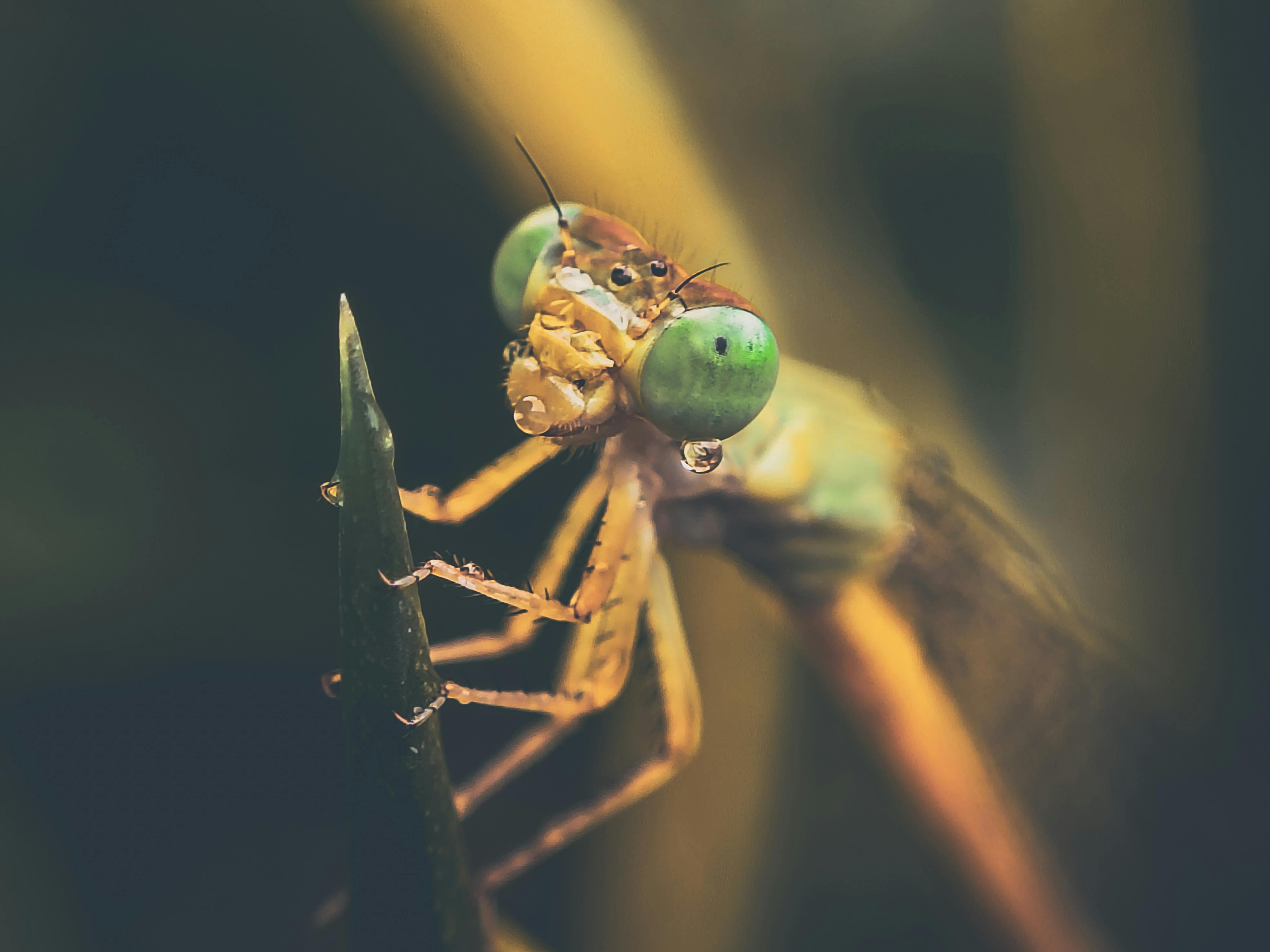
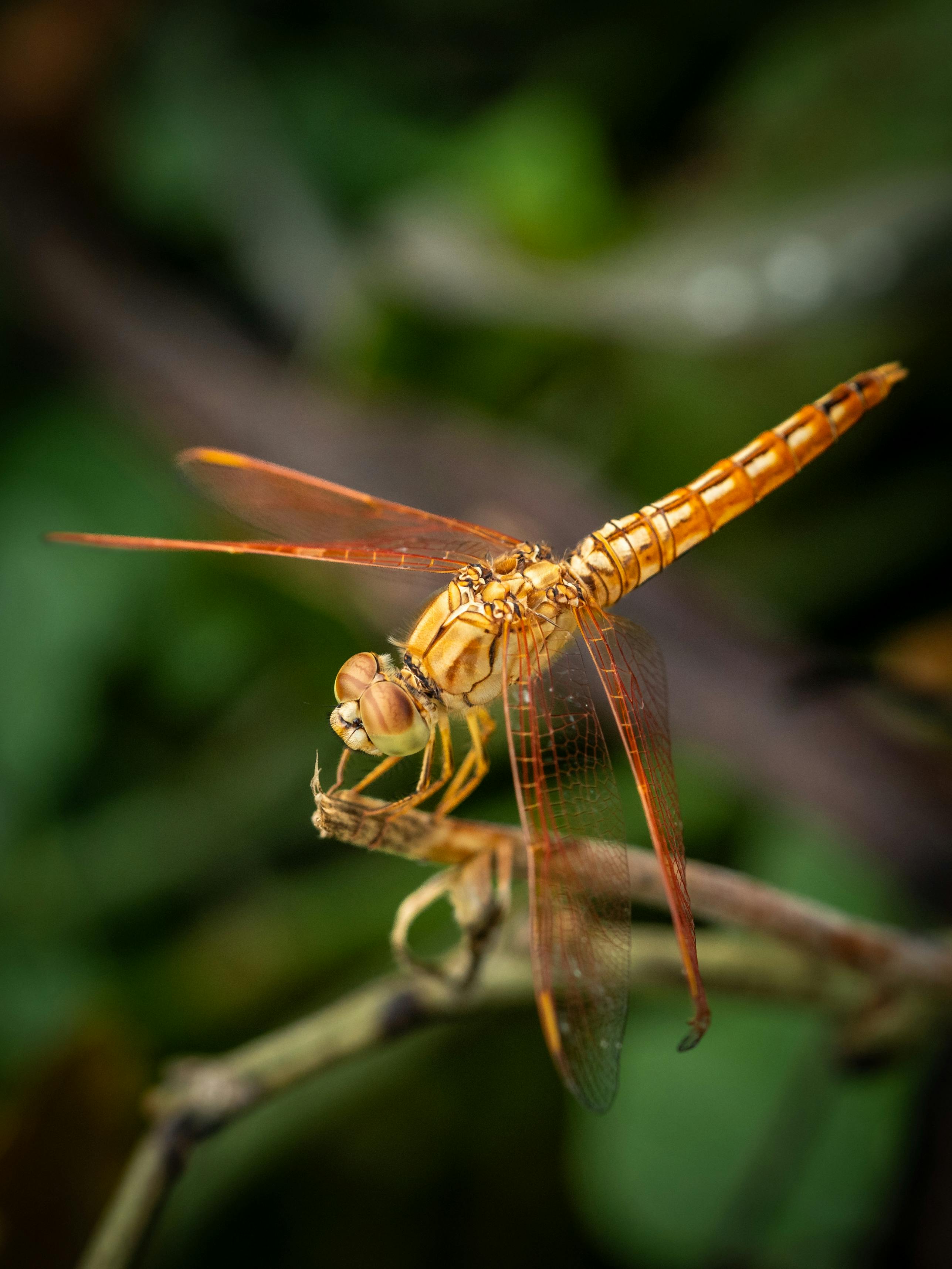
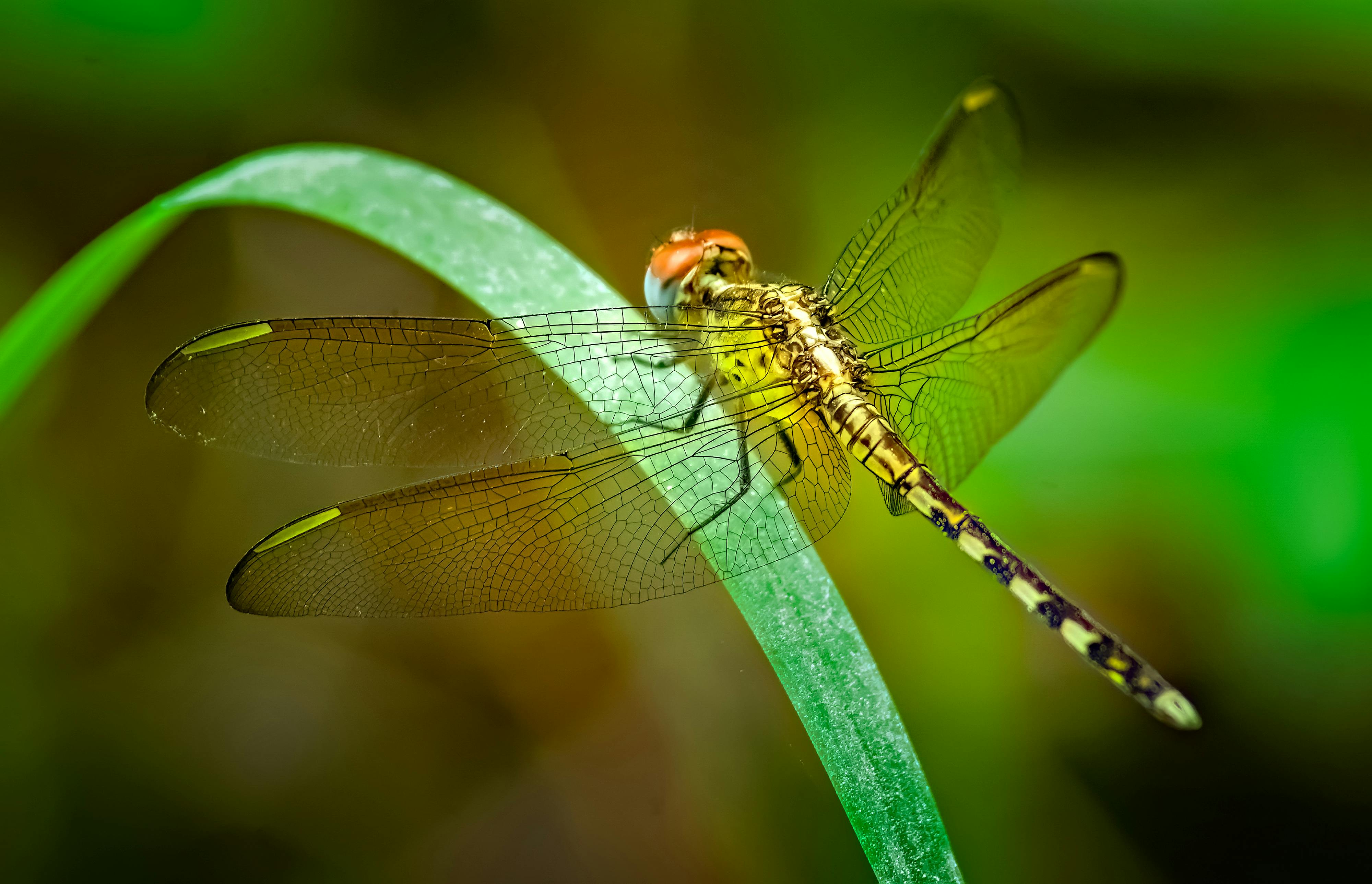
Meet the praying mantis, one of nature’s stealthiest little predators that looks all calm and zen but is actually a legit assassin on six legs. This isn’t some random bug — it’s a masterpiece of evolution with moves straight out of a ninja movie.
What Is a Praying Mantis?
The praying mantis (order Mantodea) is a cool insect famous for its “praying” posture — those front legs are folded like hands ready for prayer. But fun fact: they’re not praying at all — they’re ready to grab dinner.
They belong to the insect crew and are actually related to termites and cockroaches. Yeah, mantises are cousins with roaches — nature really loves weird family trees.
Anatomy — Built Like a Mini Predator
These guys have a body that’s built for stealth and speed:
Triangular head with huge eyes: They can swivel their head almost 180°, sneaking a peek without moving their body. That’s prime spy mode.
Compound eyes: Think thousands of tiny lenses that help track movement like a 3D radar.
Raptorial front legs: Those spiked arms aren’t for praying — they’re for pinning prey like a boss.
Camouflage pros: Many are green or brown, blending into leaves and grass like accidental ninjas.
Where Do They Live?
Praying mantises are basically global bugs — found everywhere except Antarctica. From lush rainforests to gardens outside your home, they blend in like stealthy little grassy ninjas.
Diet : Tiny Terror With an Appetite
These insects live for live food. They’re true carnivores (no salad bars here):
Eat spiders, flies, crickets, and other insects.
Bigger mantises have even been observed snatching hummingbirds and fish 😱 — no joke.
They lie in wait like hawks in camouflage, then strike with insane reflexes — it’s ambush hunting at its finest.
Behavior & Hunting Style
These bugs aren’t lazy:
Camouflage champs: Blending into plants and looking like leaves or sticks.
Stealth attack: Once prey gets close, POW — those front legs trap it before it can blink.
Head rotation like an owl: Spot more than just a shadow moving — hello 180° vision!
Cannibalism :Yep, It Happens
Nature’s savage twist: female mantises sometimes chow down on the male during or after mating. It sounds brutal — that’s because it is — but science says females might do this to boost nutrients for eggs. The male’s body might even continue mating due to reflexes after losing its head. Wild.
Life Cycle — From Egg to Tiny Assassin
Praying mantises start off inside a foamy egg case called an ootheca, which hardens like armor to protect hundreds of eggs through winter.
When babies hatch, they look like mini versions of adults and molt several times before becoming full-grown mantises ready to join the predator club.
How Long Do They Live?
Most mantises hang around for about 6 months to a year, depending on species and where they live.
Predators :Even the Ninja Gets Hunted
Even top bugs get hunted sometimes. Birds, spiders, lizards, and frogs all take swings at mantises — especially when they’re young or stuck in an egg case.
Quick Fun Facts
They see in 3D with crazy depth perception.
Some species can mimic flowers — talk about deep camouflage.
Praying Mantis Anatomy – The Insect That’s Built Like a Predator If insects had action heroes… the praying mantis would be the silent assassin. Not loud. Not flashy. Just perfectly designed to hunt. Today, let’s break down the praying mantis anatomy in a clean, human…